
Official City Release
Ahead of its time, Lustron home still standing tall in Fort Worth
Mentioned Entities
Source Text
Open source →
It’s like IKEA meets an Erector set — steel panels bolted together to form a tiny, but efficient, house.
A cute, prefabricated steel house in west Fort Worth — made by the Lustron Corp. and snapped together in 1949 — is a physical artifact of the “new Fort Worth” that emerged after World War II.
Lustron homes were a short-lived but fascinating experiment in American housing. They were designed as mass-produced, low-maintenance houses for returning veterans and a nation facing a severe housing shortage.
The single documented Lustron house in Fort Worth sits in the Bomber Heights neighborhood in west Fort Worth. (We won’t mention the specific address here to help protect the privacy of the occupants.) The 1,013-square-foot, two-bedroom house sits on an 8,400-square-foot corner lot, its Surf Blue exterior little altered by time.
Fewer than about 2,500 were ever built nationwide, according to the website Lustron Research. Dallas has one example still standing.
Lustron homes are now considered Mid-Century Modern icons and are prized by preservationists. While there are about 50 Lustron houses on the National Register of Historic Places, there is no historical designation on the Fort Worth specimen.
A steel utopia
Lustron homes were named for a long-defunct Columbus, Ohio, manufacturer that, for a few years in the late 1940s, offered relatively affordable, easily assembled homes made from prefabricated porcelain-enameled steel sheets, inside and out. The concept was similar to a car rolling off a production line — fast, standardized and efficient.
A kit was delivered for less than $10,000 — about $130,000 in 2026 dollars.
It took about two weeks to build a Lustron, guided by the company’s 200-page manual. Most models had built-in bookshelves and vanities, a combination washer/dishwasher and a hot-water heater. Some had radiant heat in the ceiling. Promotional materials promised the homes resisted fire, rats, termites and decay. No need for painting every few years.
Some Lustron homes have been altered, relocated or demolished. Others are still standing but don’t look obviously “Lustron” anymore due to siding, paint or add-ons for extra living space.
Learn more about Lustron homes:
Other Texas Lustron examples
Most of these homes were installed in a mid-century neighborhood (late 1940s-early 1950s) like Bomber Heights.
North Texas had very few Lustrons, making Fort Worth’s example especially significant.
In Dallas’ Bluffview neighborhood, a Lustron house, also built in 1949, is still standing and increasingly recognized as historic. Recent news reports suggest it may become a local landmark, a sign of the growing appreciation for these homes.
The greatest number of Texas’ metal homes are in El Paso, a military community.
As it turned out, America was not ready for snap-together homes: By 1950, Lustron Corp. had gone bankrupt. The company struggled with high production and shipping costs, logistical challenges assembling the homes and competition from cheaper traditional construction.
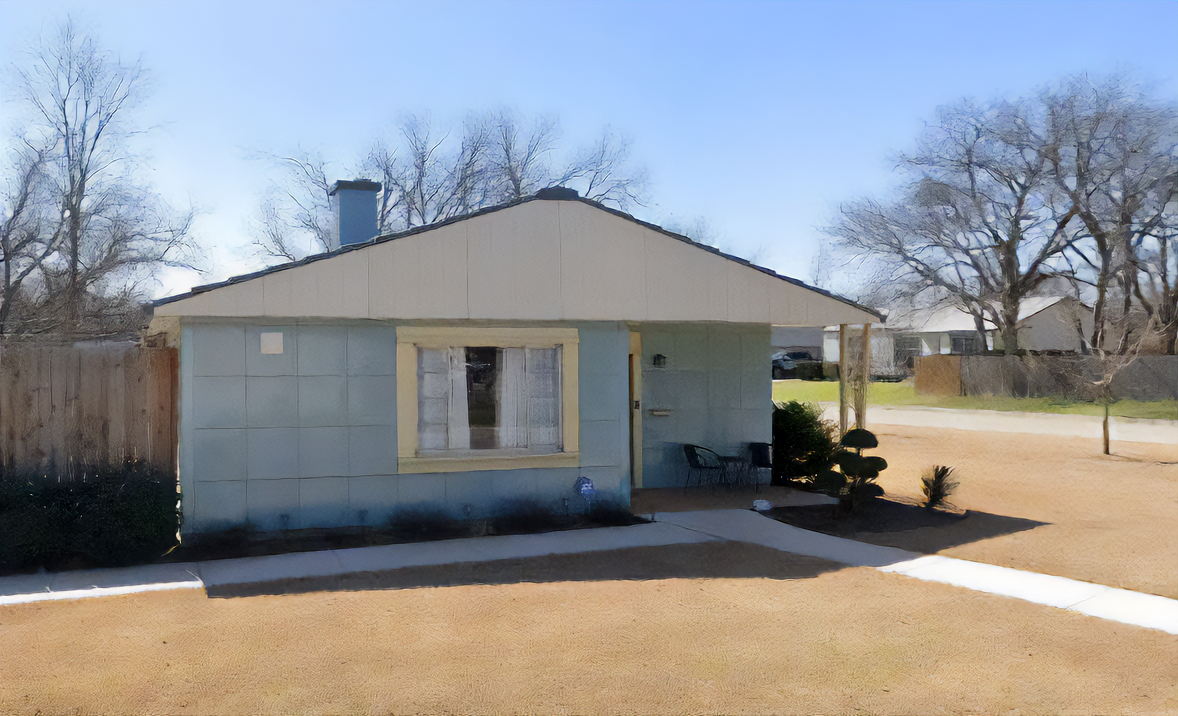
Photo: Fort Worth’s Lustron home has been in a westside neighborhood since 1949 and measures just over 1,000 square feet.
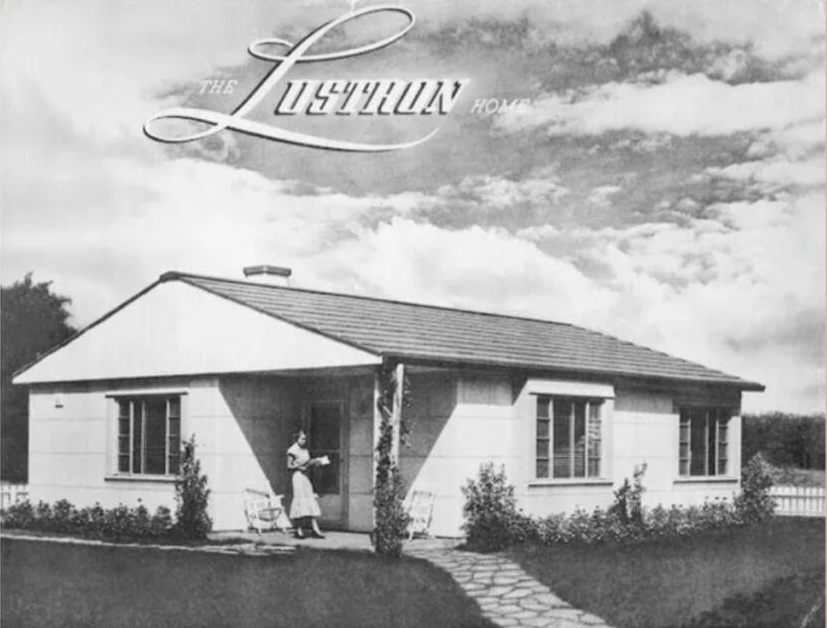
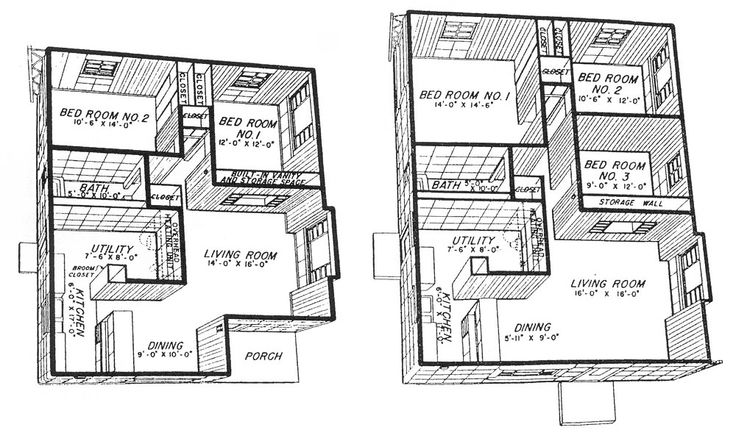
Photos: The homes were available in a handful of designs and in four exterior colors.
Get articles like this in your inbox. Subscribe to City News.
The text and media above are reproduced from the original source for purposes of government transparency and public information under fair use. All content remains the intellectual property of its respective authors and publishers. This reproduction does not imply endorsement by or affiliation with the original publisher. For the authoritative version, please refer to the original source.
Municue is in beta
Tell us what would make press release pages more useful for your workflow.